Back pain during pregnancy is a common concern that many expectant mothers face. Let’s dive into the causes, management strategies, and potential risks associated with this discomfort.
As we explore the various aspects of back pain during pregnancy, you’ll gain valuable insights into how to address and alleviate this issue for a more comfortable journey to motherhood.
BACK PAIN
Back pain is a common issue experienced by many pregnant women due to the physical changes that occur in the body during pregnancy. The added weight from the growing baby, changes in posture, and hormonal fluctuations can all contribute to back pain.
Common Causes of Back Pain
- Poor posture
- Weight gain
- Changes in the center of gravity
- Weakened abdominal muscles
- Hormonal changes
Impact on Daily Activities
Back pain during pregnancy can make simple tasks such as walking, standing, and sitting for long periods of time uncomfortable. This can greatly affect a woman’s quality of life and make it challenging to carry out daily activities with ease.
Importance of Proper Posture
Maintaining good posture is crucial in preventing and relieving back pain during pregnancy. Proper posture helps distribute the weight evenly and reduces strain on the back muscles. It is important to be mindful of how you stand, sit, and move throughout the day.
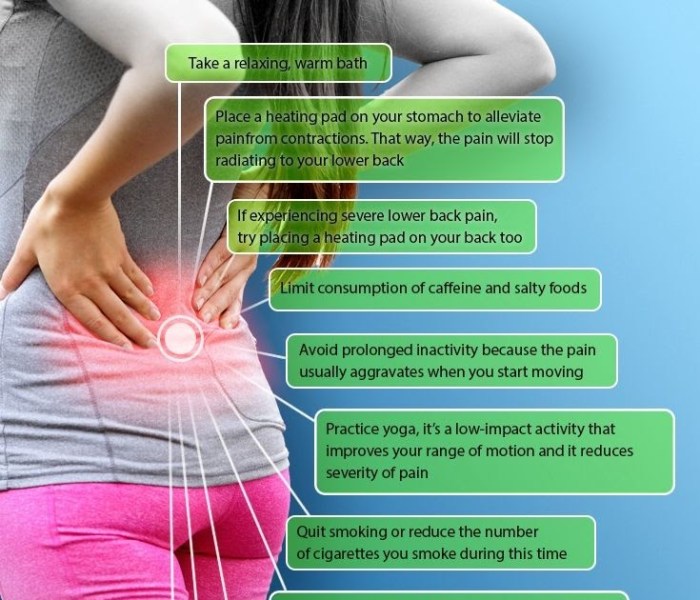
Tips for Relieving Back Pain at Home
- Practice gentle exercises like prenatal yoga or swimming
- Use a pregnancy support belt to help support your belly and reduce strain on your back
- Apply heat or cold packs to the affected area to alleviate pain
- Get regular prenatal massages to help relax tense muscles
- Use pillows to support your body while sleeping or sitting
Back Pain During Pregnancy
Back pain is a common issue experienced by many pregnant women, affecting approximately 50-70% of pregnancies. The added weight, changes in posture, and hormonal shifts during pregnancy can all contribute to back pain.
Prevalence and Factors Contributing to Back Pain
- Prevalence: Back pain is a common discomfort during pregnancy, impacting a significant percentage of expectant mothers.
- Factors: The growing uterus, hormonal changes, increased weight, and changes in posture all play a role in causing back pain during pregnancy.
Trimesters and Risks
- Trimesters: Back pain is most common in the second and third trimesters when the baby is growing rapidly, putting more strain on the mother’s back.
- Risks: Untreated back pain during pregnancy can lead to increased stress, discomfort, and affect the mother’s quality of life. In severe cases, it may also impact mobility and overall well-being.
Symptoms and Diagnosis
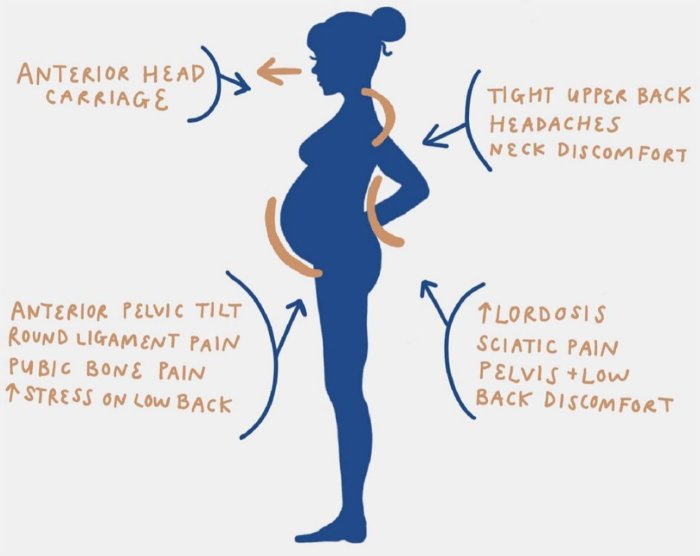
During pregnancy, back pain can be a common discomfort experienced by many women. It is essential to be aware of the symptoms and understand how healthcare providers diagnose the cause of back pain in pregnant women. Here, we will discuss the common symptoms, diagnostic methods, when to seek medical help, and self-assessment techniques to monitor back pain progression.
Common Symptoms of Back Pain During Pregnancy
- Lower back pain
- Pain that worsens with prolonged standing or sitting
- Pain that radiates to the hips or legs
- Muscle stiffness or tightness in the back
- Numbness or tingling sensations in the back or legs
Diagnosing the Cause of Back Pain
- Healthcare providers may perform a physical examination to assess the range of motion, muscle strength, and reflexes.
- Imaging tests such as X-rays or MRI scans may be ordered to identify any underlying issues such as herniated discs or spinal misalignments.
- Blood tests may be conducted to rule out conditions like infections or inflammatory disorders.
When to Seek Medical Help
- If back pain is severe, persistent, or accompanied by other symptoms like fever, vaginal bleeding, or difficulty walking.
- If the pain is interfering with daily activities or causing significant discomfort.
- If there is a history of previous back issues or pregnancies with complications.
Self-Assessment Techniques
- Keep a journal to track the frequency and intensity of back pain episodes.
- Practice good posture and body mechanics to alleviate strain on the back.
- Engage in gentle exercises like prenatal yoga or swimming to strengthen the back muscles.
- Use heat or cold therapy to manage pain and inflammation.
Management and Treatment
During pregnancy, managing back pain is crucial for the well-being of the mother and the baby. Here are some non-pharmacological treatments, medication safety considerations, exercises, stretches, and the role of physical therapy in alleviating and preventing back pain.
Non-Pharmacological Treatments
- Applying heat or cold packs to the affected area can help reduce inflammation and provide relief.
- Practicing good posture and body mechanics can prevent strain on the back.
- Engaging in prenatal yoga or gentle stretching exercises can improve flexibility and strengthen the back muscles.
- Using support devices like maternity belts or pillows can provide additional support to the back.
Safety of Medications
- It is important to consult with a healthcare provider before taking any medication for back pain during pregnancy.
- Some over-the-counter pain relievers may be safe to use, but it is best to avoid NSAIDs like ibuprofen, especially during the third trimester.
- Acetaminophen is generally considered safe for pain relief during pregnancy, but should still be used with caution and under medical supervision.
Exercises and Stretches
- Pelvic tilts, cat-cow stretches, and prenatal yoga poses like child’s pose can help stretch and strengthen the back muscles.
- Kegel exercises can also improve pelvic floor strength, which can in turn alleviate back pain.
- Walking and swimming are low-impact exercises that can help improve overall muscle tone and reduce back pain.
Role of Physical Therapy
- A physical therapist can assess the specific needs of a pregnant woman experiencing back pain and develop a personalized treatment plan.
- Physical therapy can include exercises, manual therapy, and education on proper body mechanics to prevent further strain on the back.
- Through regular physical therapy sessions, pregnant women can learn techniques to manage and prevent back pain both during and after pregnancy.
Closure
In conclusion, understanding the factors contributing to back pain during pregnancy and implementing effective management techniques can greatly enhance the overall experience for expectant mothers. By maintaining proper posture, seeking timely medical assistance when needed, and engaging in appropriate exercises, women can navigate this period with more comfort and ease.
Clarifying Questions
What are the best sleeping positions to alleviate back pain during pregnancy?
Try sleeping on your side with a pillow between your legs to support your lower back and hips.
Is it safe to use heating pads for back pain relief during pregnancy?
It’s best to consult with your healthcare provider before using heating pads to ensure they are safe for you and your baby.
Can back pain during pregnancy indicate more serious health issues?
While back pain is common during pregnancy, severe or persistent pain should always be evaluated by a healthcare professional to rule out any underlying conditions.


