Back pain and posture go hand in hand, affecting our daily lives more than we realize. Let’s dive into the world of spinal health and discover how simple changes can make a big difference.
From understanding the causes of back pain to exploring the impact of posture on our well-being, this guide will equip you with the knowledge to combat discomfort and enhance your overall quality of life.
BACK PAIN
Back pain is a common issue that can be caused by various factors, ranging from poor posture to underlying health conditions. Understanding the different types of back pain and how lifestyle choices can impact it is crucial in managing and preventing discomfort.
Common Causes of Back Pain
Back pain can be triggered by several factors, including:
- Poor posture
- Strain from lifting heavy objects
- Muscle or ligament strain
- Arthritis
- Bulging or ruptured discs
- Sciatica
Types of Back Pain
There are different types of back pain that individuals may experience:
- Acute back pain: Sudden onset of pain, often due to injury or strain.
- Chronic back pain: Long-lasting pain that persists for weeks, months, or even years.
- Neuropathic back pain: Pain caused by nerve damage or dysfunction.
Impact of Lifestyle Factors
Various lifestyle factors can influence back pain:
- Posture: Maintaining good posture while sitting, standing, and lifting can help prevent back pain.
- Exercise: Regular physical activity can strengthen the muscles supporting the back and reduce the risk of pain.
- Diet: A healthy diet can support overall spine health by providing essential nutrients and maintaining a healthy weight.
Seeking Professional Help
If you experience severe or persistent back pain, it is essential to seek professional help. A healthcare provider can diagnose the underlying cause of the pain and recommend appropriate treatment options, which may include physical therapy, medication, or surgery.
IMPACT OF POSTURE ON BACK PAIN
Poor posture can significantly contribute to back pain by putting excessive strain on the muscles, ligaments, and discs in the spine. When the body is not properly aligned, it can lead to imbalances, muscle fatigue, and even structural damage over time.
Tips for Maintaining Good Posture
- When sitting, keep your feet flat on the floor, knees at a 90-degree angle, and your back supported by the chair.
- Stand up straight with your shoulders back and relaxed, and avoid slouching or leaning to one side.
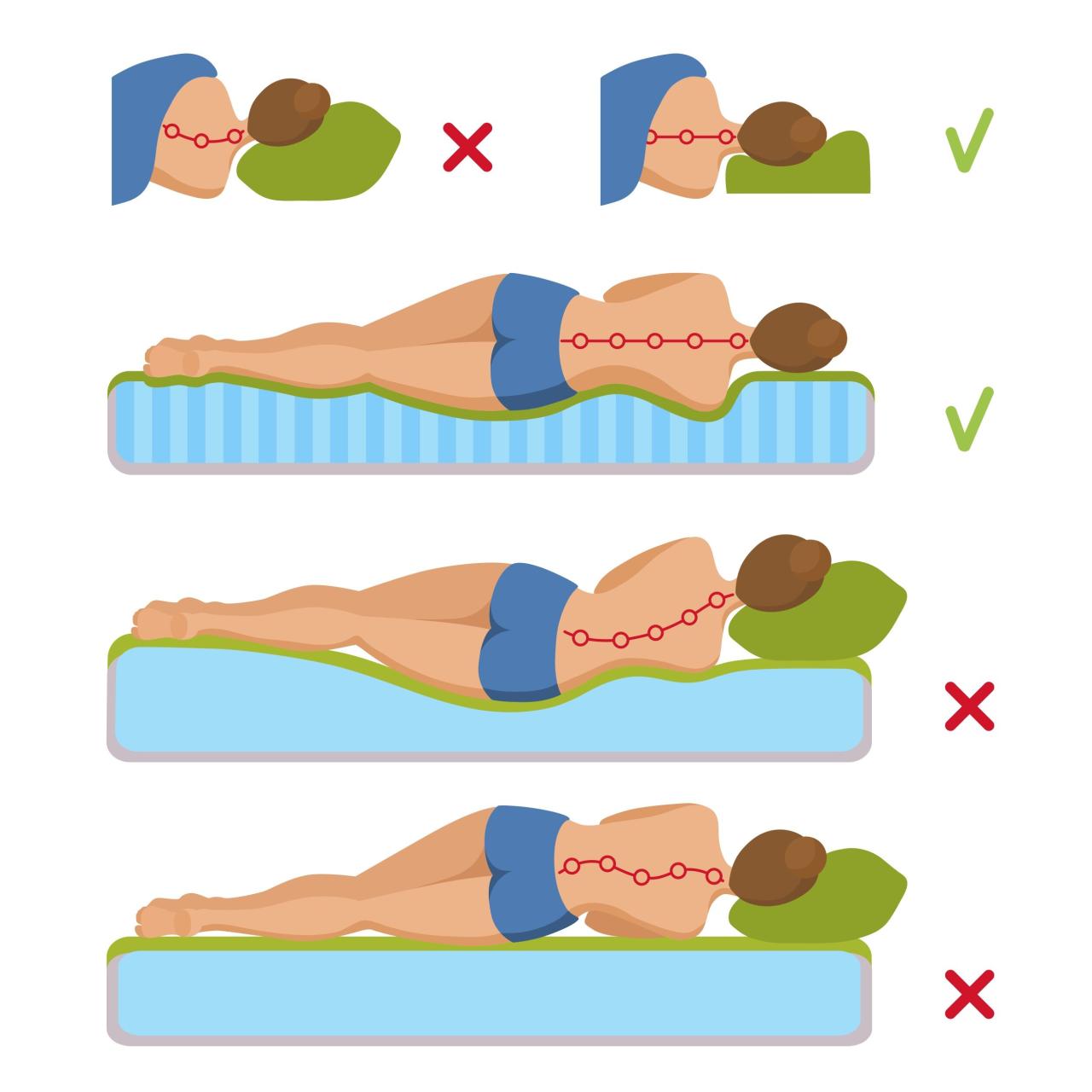
- While sleeping, use a supportive mattress and pillows to keep your spine aligned in a neutral position.
Effects of Sitting, Standing, and Sleeping Postures
- Sitting: Prolonged sitting with poor posture can lead to increased pressure on the lower back and contribute to muscle stiffness and pain.
- Standing: Incorrect standing posture, such as leaning forward or arching the back, can strain the muscles and lead to discomfort in the back and neck.
- Sleeping: Sleeping on an unsupportive mattress or in a position that twists the spine can cause back pain and affect overall sleep quality.
Ergonomic Solutions for Better Posture
- Adjust your workstation to promote good posture, including positioning your monitor at eye level and using a chair with proper lumbar support.
- Take regular breaks to stretch and move around, avoiding prolonged periods of sitting or standing in the same position.
- Consider using ergonomic tools like standing desks, ergonomic chairs, or lumbar cushions to support your spine and reduce strain.
EXERCISES FOR BACK PAIN RELIEF
Regular exercise plays a crucial role in managing and alleviating back pain. Strengthening and stretching exercises can help improve flexibility, reduce stiffness, and prevent future discomfort. Let’s explore some effective exercises to relieve back pain.
Stretching Routines for Flexibility
- Hamstring Stretch: Sit on the floor with one leg extended and the other bent. Reach towards your toes on the extended leg to stretch the hamstring.
- Cat-Cow Stretch: Get on your hands and knees, arch your back up like a cat, then lower your back and lift your head like a cow.
- Child’s Pose: Sit back on your heels with arms stretched out in front of you, lowering your chest towards the floor for a gentle back stretch.
Yoga, Pilates, and Strength Training Benefits
Yoga focuses on breathing, flexibility, and relaxation, which can help alleviate back pain by improving posture and reducing stress on the spine. Pilates targets core strength and stability, enhancing overall body alignment and balance. Strength training, particularly exercises that engage the back muscles, can provide support and reduce strain on the spine.
Importance of Core Strengthening
Core strengthening exercises are essential for preventing and managing back pain. A strong core provides support to the spine, improves posture, and reduces the risk of injury. Planks, bridges, and abdominal exercises are effective in strengthening the core muscles and promoting a healthy back.
ERGONOMIC TIPS FOR BACK PAIN PREVENTION

To prevent back pain and improve overall posture, it’s essential to pay attention to ergonomics in your daily activities. Whether you’re at work or at home, following these ergonomic tips can make a significant difference in reducing back pain and discomfort.
Setting Up an Ergonomic Workstation
When setting up your workstation, ensure that your computer monitor is at eye level to prevent straining your neck and back. Use a chair with proper lumbar support to maintain the natural curve of your spine. Position your keyboard and mouse at elbow height to avoid unnecessary strain on your arms and shoulders.
Proper Lifting Techniques
When lifting heavy objects, remember to bend at your knees and not at your waist. Keep the object close to your body and avoid twisting while lifting. Engage your core muscles to support your back and use your legs to lift the load, rather than relying solely on your back.
Selecting Supportive Furniture
Invest in furniture that promotes good posture, such as an ergonomic chair with adjustable height and lumbar support. Choose a mattress that provides adequate support for your back while sleeping. Avoid soft couches or chairs that encourage slouching.
Regular Breaks and Stretching
Take regular breaks from sitting to stand up, stretch, and walk around. Perform simple stretches for your back, neck, and shoulders to release tension and improve flexibility. Set a timer to remind yourself to change positions and avoid prolonged sitting.
Final Conclusion
As we conclude this journey through back pain and posture, remember that small adjustments can lead to significant improvements in your spinal health. By prioritizing good posture and incorporating targeted exercises, you can say goodbye to persistent discomfort and hello to a more aligned and pain-free life.
FAQ Compilation
Can poor posture really cause back pain?
Yes, poor posture can put strain on your back muscles and lead to discomfort over time. It’s important to maintain good posture to prevent such issues.
Are there specific exercises that can help with back pain relief?
Yes, exercises like stretching, yoga, and core strengthening can all play a significant role in alleviating back pain and improving flexibility.
How often should I take breaks to prevent back pain from prolonged sitting?
It’s recommended to take short breaks every 30 minutes to an hour to stretch, walk around, and relieve pressure on your back from prolonged sitting.


