
Back pain in elderly people is a common issue that can significantly affect their quality of life. Let’s delve into the causes, risk factors, diagnosis, treatment options, and prevention strategies to tackle this problem effectively.
As we explore the various aspects of back pain in elderly individuals, you’ll gain valuable insights into how to address this issue and improve the well-being of seniors.
BACK PAIN
Back pain is a common issue that affects many elderly individuals, with various factors contributing to its development. Understanding the causes, impacts, and management of back pain in seniors is crucial for maintaining their quality of life and overall well-being.
Common Causes of Back Pain in Elderly Individuals
- Degenerative changes in the spine, such as osteoarthritis and spinal stenosis, can lead to back pain in the elderly.
- Compression fractures due to osteoporosis weaken the vertebrae, causing pain and discomfort.
- Muscle weakness and poor posture can strain the back muscles, leading to chronic pain.
Impact of Back Pain on Quality of Life for Seniors
- Back pain can limit mobility and independence, making daily activities challenging for elderly individuals.
- Chronic back pain can affect sleep quality, leading to fatigue and irritability.
- Emotional well-being may be compromised as seniors cope with the physical limitations and discomfort caused by back pain.
Importance of Early Detection and Management of Back Pain in the Elderly
Early detection of back pain in elderly individuals is crucial to prevent further complications and improve quality of life. Proper management strategies, including exercise, physical therapy, medications, and lifestyle modifications, can help alleviate pain and restore function.
RISK FACTORS
Back pain in elderly individuals can be influenced by various risk factors that contribute to the development or exacerbation of this condition. Understanding these risk factors is crucial in managing and preventing back pain in seniors.Age-related changes in the spine play a significant role in increasing the susceptibility of elderly individuals to back pain. As people age, the spine undergoes degenerative changes, such as loss of disc height, decreased bone density, and the development of osteoarthritis.
These changes can lead to conditions like spinal stenosis or herniated discs, which are common causes of back pain in the elderly population.
Acute vs. Chronic Back Pain Risk Factors
- Acute Back Pain:
- Chronic Back Pain:
Acute back pain in seniors is often caused by sudden injuries or trauma, such as falls or lifting heavy objects. Risk factors for acute back pain include poor posture, muscle strain, and accidents that can occur due to reduced balance and coordination in elderly individuals.
Chronic back pain in the elderly is typically a result of long-term degenerative changes in the spine. Risk factors for chronic back pain include conditions like osteoarthritis, spinal deformities, and compression fractures. Additionally, factors like obesity, sedentary lifestyle, and smoking can also contribute to the development of chronic back pain in seniors.
Age-Related Changes in the Spine
Age-related changes in the spine can increase the risk of back pain in elderly individuals. These changes include:
– Loss of disc height and hydration, leading to reduced flexibility and shock absorption in the spine.
– Degeneration of facet joints, causing stiffness and pain in the back.
– Reduced bone density and strength, making the spine more vulnerable to fractures and compression injuries.
– Development of spinal stenosis, where the spinal canal narrows and puts pressure on the nerves, leading to pain, numbness, and weakness in the back and legs.
DIAGNOSIS AND ASSESSMENT
The diagnostic process for evaluating back pain in elderly patients is crucial in determining the underlying causes and developing an effective treatment plan. This often involves a comprehensive assessment that considers various factors contributing to the pain.Imaging studies play a significant role in diagnosing the underlying causes of back pain in elderly individuals. Techniques such as X-rays, CT scans, and MRIs can provide detailed images of the spinal structures, helping healthcare providers identify issues like degenerative disc disease, spinal stenosis, or fractures.
Role of Imaging Studies
- Imaging studies like X-rays can reveal bone abnormalities or fractures in the spine.
- CT scans offer detailed cross-sectional images that help in detecting herniated discs or spinal cord compression.
- MRI scans provide clear images of soft tissues like muscles, ligaments, and nerves, aiding in the diagnosis of conditions such as spinal tumors or nerve impingement.
A comprehensive assessment is essential for developing an effective treatment plan for elderly individuals with back pain. This assessment typically includes evaluating the patient’s medical history, conducting physical exams, and considering factors like mobility, functional limitations, and overall health status.
Importance of Comprehensive Assessment
- A comprehensive assessment helps healthcare providers understand the patient’s unique needs and tailor treatment plans accordingly.
- It allows for the identification of any underlying medical conditions or risk factors that may be exacerbating the back pain.
- Assessing functional limitations and mobility issues can guide the development of interventions to improve quality of life and reduce pain levels.
TREATMENT OPTIONS
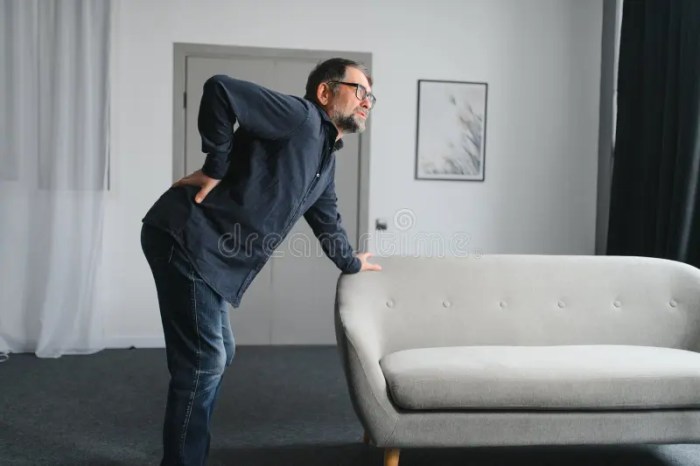
Non-pharmacological treatment options play a crucial role in managing back pain in elderly people. These approaches focus on improving mobility, reducing pain, and enhancing overall quality of life without the use of medications.Physical therapy and exercise are key components in alleviating back pain in seniors. Physical therapists can design personalized exercise programs to strengthen the muscles supporting the spine, improve flexibility, and correct posture.
Regular exercise can help reduce pain, increase range of motion, and prevent future injuries.
Role of Physical Therapy and Exercise
- Physical therapy helps seniors improve their strength and flexibility, reducing the risk of falls and injuries.
- Exercise programs tailored to individual needs can alleviate back pain by promoting proper alignment and muscle balance.
- Regular physical activity can also improve circulation, reduce inflammation, and enhance overall well-being in elderly individuals.
Benefits and Risks of Surgical Interventions
-
Surgical interventions may be considered for elderly patients with chronic back pain that does not respond to non-surgical treatments.
- Surgical procedures such as spinal fusion or laminectomy aim to stabilize the spine, alleviate nerve compression, and reduce pain.
- However, surgery in older adults comes with certain risks, including complications related to anesthesia, infection, and prolonged recovery time.
- It is essential for healthcare providers to carefully weigh the potential benefits and risks of surgery in elderly patients with chronic back pain.
PREVENTION STRATEGIES
Preventing back pain in elderly individuals is crucial for maintaining their overall quality of life. By making simple lifestyle changes and adjustments, they can significantly reduce the risk of developing back pain.
Maintaining a Healthy Weight
One of the key factors in preventing back pain is maintaining a healthy weight. Excess weight puts added strain on the back muscles and spine, increasing the risk of injury and discomfort. Encouraging elderly individuals to follow a balanced diet and engage in regular physical activity can help them achieve and maintain a healthy weight.
Importance of Good Posture
Good posture is essential in preventing back pain, especially in older adults. Encouraging proper posture habits, such as sitting up straight, avoiding slouching, and lifting objects correctly, can help reduce the strain on the back muscles and spine. Additionally, using supportive chairs and mattresses can also promote good posture.
Ergonomic Adjustments
Implementing ergonomic adjustments in the living environment can play a significant role in preventing back pain. This includes using supportive furniture, adjusting the height of work surfaces, and incorporating tools like lumbar support cushions. These adjustments can help reduce strain on the back and improve overall comfort for elderly individuals.
Last Word
In conclusion, understanding the complexities of back pain in the elderly is crucial for providing them with the necessary care and support. By implementing early detection, effective management, and preventive measures, we can strive to enhance the lives of elderly individuals dealing with back pain.
FAQ Resource
What are some lifestyle modifications that can help prevent back pain in elderly people?
Regular exercise, maintaining a healthy weight, and practicing good posture are key lifestyle changes that can prevent back pain in seniors.
How can physical therapy benefit elderly individuals with back pain?
Physical therapy can help improve strength, flexibility, and mobility, reducing back pain and enhancing overall quality of life for seniors.
Are there non-pharmacological treatment options for managing back pain in elderly people?
Yes, options like heat therapy, massage, acupuncture, and chiropractic care can be effective in managing back pain without the use of medications.
What role does age-related spine changes play in increasing the risk of back pain in the elderly?
Age-related changes in the spine, such as degeneration of discs and loss of bone density, can contribute to back pain in elderly individuals.


