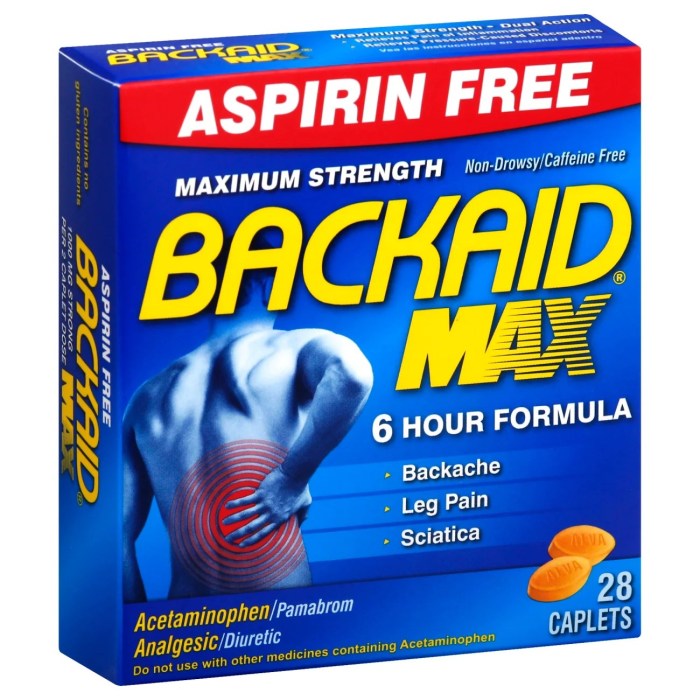
Embark on a journey to explore the world of back pain medications, where relief is just a pill away! Learn about the different types, common options, and how they can help alleviate your discomfort. Get ready to say goodbye to that nagging pain in your back!
BACK PAIN
Back pain is a common condition that can be caused by a variety of factors. It can affect people of all ages and can range from mild discomfort to severe pain that affects daily activities.
Common Causes of Back Pain
- Muscle or ligament strain
- Bulging or ruptured discs
- Arthritis
- Osteoporosis
- Scoliosis
Types of Back Pain: Acute vs. Chronic
- Acute back pain: Usually lasts for a few days to a few weeks and is often caused by injury or trauma.
- Chronic back pain: Lasts for more than 12 weeks and can be caused by underlying health conditions or long-term wear and tear.
Effects of Lifestyle Factors on Back Pain
- Poor posture, especially when sitting or standing for long periods
- Lack of exercise or physical activity
- Obesity or being overweight, which puts extra strain on the spine
- Smoking, which can reduce blood flow to the spine and increase the risk of disc degeneration
Impact of Poor Posture on Back Pain
Poor posture can lead to muscle imbalances, increased pressure on the spine, and strain on the muscles and ligaments supporting the back. Over time, this can contribute to chronic back pain and other musculoskeletal issues.
BACK PAIN MEDICATIONS

Back pain medications play a crucial role in managing and alleviating the discomfort associated with back pain. From over-the-counter options to prescription medications, there are various choices available to address this common issue.
Common Over-the-Counter Medications for Back Pain
Over-the-counter medications are often the first line of defense against mild to moderate back pain. These include:
- Nonsteroidal anti-inflammatory drugs (NSAIDs) like ibuprofen and naproxen can help reduce inflammation and relieve pain.
- Acetaminophen is effective for pain relief but does not have anti-inflammatory properties.
- Topical pain relievers such as creams, gels, or patches can provide localized relief.
Prescription Medications for Managing Back Pain
In cases of severe or chronic back pain, healthcare providers may prescribe stronger medications, including:
- Muscle relaxants help alleviate muscle spasms and tightness that contribute to back pain.
- Opioids are potent pain relievers that are reserved for severe pain and should be used cautiously due to the risk of dependence and side effects.
- Antidepressants or anticonvulsants may be prescribed for nerve-related back pain or to help manage chronic pain conditions.
Effectiveness and Side Effects of Back Pain Medications
When comparing the effectiveness of NSAIDs, muscle relaxants, and opioids for back pain relief, it is essential to consider the individual’s specific condition and medical history. While NSAIDs are effective for reducing inflammation, muscle relaxants target muscle spasms, and opioids provide potent pain relief, each medication type has its own set of potential side effects.
- NSAIDs can cause gastrointestinal issues and kidney problems with long-term use.
- Muscle relaxants may lead to drowsiness, dizziness, and dependency if not used as directed.
- Opioids carry a high risk of addiction, respiratory depression, and other serious side effects, making them a last resort for severe pain.
Final Review
As we wrap up our discussion on back pain medications, remember that relief is always within reach. Whether it’s over-the-counter or prescription, there are options available to help you manage your back pain effectively. So, don’t let that pain hold you back – take charge of your health and live pain-free!
Frequently Asked Questions
Can I take over-the-counter medications daily for back pain?
It’s best to follow the recommended dosage on the label and consult with a healthcare provider if you need to take them daily for an extended period.
Are muscle relaxants addictive?
While muscle relaxants can be habit-forming if not used as directed, they are not typically considered addictive when taken as prescribed for back pain.
How long should I use opioids for back pain relief?
Opioids are usually prescribed for short-term use and should be used under close supervision by a healthcare provider to minimize the risk of dependence and side effects.


