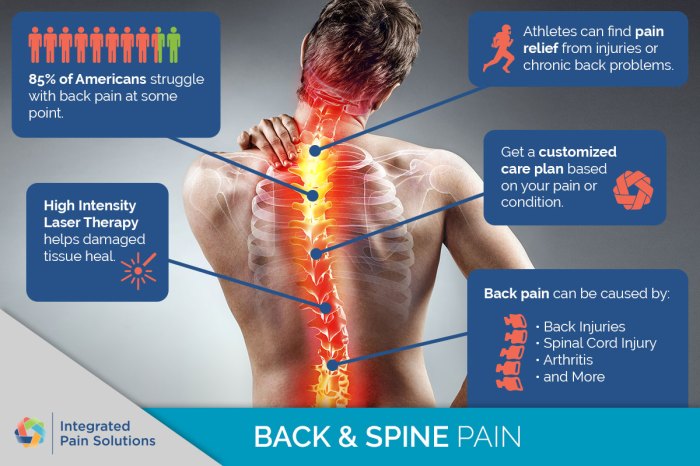
Embark on a journey to discover the most effective treatments for chronic back pain, from non-invasive therapies to lifestyle changes, in order to find relief and improve your quality of life.
BACK PAIN
Back pain is a common condition characterized by discomfort or soreness in the back area, ranging from the neck down to the hips. It can be caused by various factors such as muscle strain, injury, poor posture, or underlying medical conditions.
Types of Back Pain
Acute back pain typically lasts for a few days to a few weeks and is often the result of sudden injury or strain. On the other hand, chronic back pain persists for longer periods, usually lasting for three months or more. It can be more challenging to treat and manage compared to acute back pain.
Risk Factors for Chronic Back Pain
- Prolonged sitting or standing
- Obesity or excess weight
- Poor physical fitness
- Aging
Impact of Chronic Back Pain
Chronic back pain can significantly affect an individual’s quality of life, making simple daily tasks such as bending, lifting, or even sitting for extended periods difficult and painful. It can also lead to emotional distress, sleep disturbances, and decreased productivity, impacting overall well-being.
Chronic Back Pain Treatment
Chronic back pain can be debilitating, affecting everyday life and overall well-being. It is essential to explore various treatment options to manage and alleviate this persistent condition.
Non-Invasive Treatment Options
Non-invasive treatments can be effective in managing chronic back pain without the need for surgery. Options such as physical therapy, acupuncture, and chiropractic care focus on improving mobility, reducing pain, and enhancing overall quality of life.
- Physical Therapy: Physical therapy involves exercises, stretches, and manual techniques to strengthen the muscles supporting the spine, improve flexibility, and reduce pain.
- Acupuncture: Acupuncture, an ancient Chinese healing technique, involves the insertion of thin needles into specific points on the body to alleviate pain and promote healing.
- Chiropractic Care: Chiropractic care focuses on spinal manipulation and adjustments to improve spinal alignment, reduce inflammation, and relieve pain associated with chronic back issues.
Role of Medications
Medications play a crucial role in managing chronic back pain by reducing inflammation, relieving pain, and improving overall function. It is essential to work closely with a healthcare provider to determine the most appropriate medication for individual needs.
- Nonsteroidal Anti-Inflammatory Drugs (NSAIDs): NSAIDs help reduce inflammation and relieve pain associated with chronic back issues.
- Muscle Relaxants: Muscle relaxants can help alleviate muscle spasms and improve mobility in patients with chronic back pain.
- Opioids: Opioids are prescribed in severe cases of chronic back pain but should be used cautiously due to the risk of dependence and side effects.
Effectiveness of Different Types of Exercises
Exercise is an essential component of chronic back pain treatment, helping to strengthen muscles, improve flexibility, and alleviate pain. Different types of exercises offer varying benefits for individuals dealing with chronic back issues.
- Aerobic Exercises: Aerobic exercises such as walking, swimming, or cycling can help improve cardiovascular health and reduce back pain by increasing blood flow and promoting healing.
- Strength Training: Strength training exercises focus on building muscle mass and strength, providing support to the spine and reducing the risk of further injury.
- Flexibility Exercises: Stretching and flexibility exercises help improve range of motion, reduce stiffness, and enhance overall mobility in individuals with chronic back pain.
Benefits and Risks of Surgical Interventions
Surgical interventions may be considered for chronic back pain that does not respond to conservative treatments. It is essential to weigh the benefits and risks of surgery carefully before making a decision.
- Benefits: Surgical interventions can provide long-term relief for some individuals, improving mobility, reducing pain, and restoring function in the spine.
- Risks: Surgery carries risks such as infection, nerve damage, and prolonged recovery time, making it important to consider all options and consult with a healthcare provider.
Lifestyle Changes and Home Remedies
Making certain lifestyle changes and incorporating home remedies can play a significant role in managing chronic back pain. These changes can help prevent further discomfort and improve your overall quality of life.
Ergonomics and Posture Improvements
- Ensure your workspace is ergonomically set up to reduce strain on your back.
- Practice good posture while sitting, standing, and walking to alleviate pressure on your spine.
- Use supportive chairs and pillows to maintain proper alignment of your spine.
Dietary Recommendations
- Incorporate anti-inflammatory foods such as fruits, vegetables, and omega-3 fatty acids into your diet.
- Avoid processed foods, sugar, and excessive caffeine, as they can contribute to inflammation and pain.
- Stay hydrated and maintain a healthy weight to reduce strain on your back.
Regular Physical Activity and Proper Body Mechanics
- Engage in low-impact exercises like swimming, yoga, or walking to strengthen your core muscles and support your spine.
- Avoid heavy lifting and practice proper body mechanics to prevent injuries that can exacerbate back pain.
- Stretch regularly to improve flexibility and reduce stiffness in your back muscles.
Stress Management Techniques
- Practice relaxation techniques such as deep breathing, meditation, or gentle yoga to reduce stress and tension in your body.
- Avoid overexertion and learn to delegate tasks to minimize physical and emotional strain on your back.
- Schedule regular breaks throughout your day to rest and recharge, allowing your body to recover from daily stressors.
Alternative Therapies
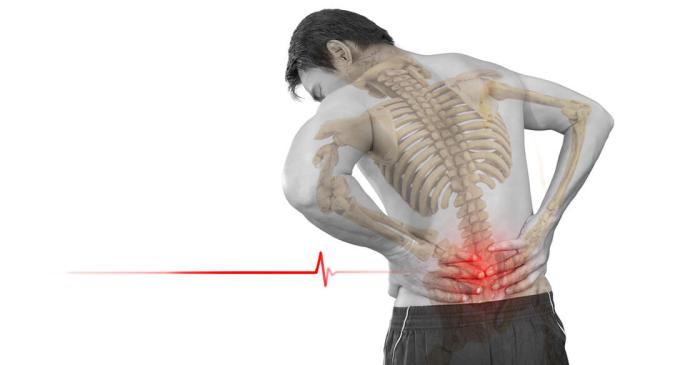
Chronic back pain sufferers often explore alternative therapies to manage their condition effectively. These therapies can provide relief and improve overall quality of life.
Yoga, Massage Therapy, and Tai Chi
- Yoga: Practicing yoga can help improve flexibility, strength, and posture, which can alleviate back pain over time. Certain poses specifically target the back muscles and promote relaxation.
- Massage Therapy: Regular sessions of massage therapy can reduce muscle tension, increase blood flow, and release endorphins, providing relief from chronic back pain.
- Tai Chi: This gentle form of exercise focuses on slow, controlled movements and deep breathing, which can improve balance, flexibility, and muscle strength, ultimately reducing back pain.
Mindfulness-Based Practices and Cognitive-Behavioral Therapy
- Mindfulness-Based Practices: Techniques like meditation and deep breathing can help chronic back pain sufferers manage stress, improve mood, and decrease pain perception.
- Cognitive-Behavioral Therapy (CBT): CBT can help individuals change their negative thought patterns related to pain, develop coping strategies, and enhance overall well-being in dealing with chronic back pain.
Herbal Remedies and Supplements
- Herbal Remedies: Some herbal remedies like turmeric, ginger, and devil’s claw have anti-inflammatory properties that can help reduce back pain. However, it’s essential to consult a healthcare provider before trying any herbal supplements.
- Supplements: Magnesium, glucosamine, and chondroitin supplements may support joint health and reduce inflammation, potentially alleviating chronic back pain symptoms.
Heat Therapy, Cold Therapy, and Transcutaneous Electrical Nerve Stimulation (TENS)
- Heat Therapy: Applying heat to the affected area can increase blood flow, relax muscles, and reduce stiffness, providing temporary relief from chronic back pain.
- Cold Therapy: Cold packs can help numb the painful area, reduce inflammation, and slow down nerve impulses, offering relief from acute back pain episodes.
- Transcutaneous Electrical Nerve Stimulation (TENS): TENS units deliver small electrical pulses to nerve fibers through electrodes placed on the skin, which can help interrupt or block pain signals, providing relief for some individuals with chronic back pain.
Concluding Remarks
In conclusion, managing chronic back pain requires a multifaceted approach that combines various treatments and lifestyle adjustments to alleviate pain and promote overall well-being. Take the first step towards a pain-free life today.
Essential FAQs
What are some common risk factors for developing chronic back pain?
Common risk factors include age, poor posture, lack of exercise, obesity, and genetic factors.
How effective are alternative therapies like yoga in managing chronic back pain?
Alternative therapies such as yoga can be effective in reducing pain and improving flexibility in individuals with chronic back pain.
Are there any home remedies that can help alleviate chronic back pain?
Home remedies like heat therapy, proper ergonomics, and regular physical activity can provide relief from chronic back pain.


