
Struggling with back pain but still want to get a good night’s sleep? Look no further! We’ve got all the tips and tricks you need to catch those Z’s comfortably, even with back pain haunting you.
From finding the perfect sleeping position to choosing the right mattress, we’ve got you covered. Let’s dive in and make those sleepless nights a thing of the past!
BACK PAIN
Back pain is a common issue that can be caused by a variety of factors, including poor posture, muscle strain, injury, or underlying medical conditions. It can range from mild discomfort to severe, debilitating pain, affecting people of all ages.
Common Causes of Back Pain
- Poor posture
- Muscle strain or overuse
- Injury or trauma
- Herniated discs
- Arthritis
Impact on Sleep Quality
Back pain can significantly impact sleep quality, making it difficult to fall asleep or stay asleep throughout the night. The discomfort and pain can lead to tossing and turning, frequent awakenings, and overall disrupted sleep patterns.
Importance of Addressing Back Pain
Addressing back pain is crucial not only for improving sleep quality but also for overall health and well-being. Chronic back pain can lead to a decrease in physical activity, poor posture, and increased stress levels, all of which can have long-term negative effects on the body.
How to Sleep with Back Pain
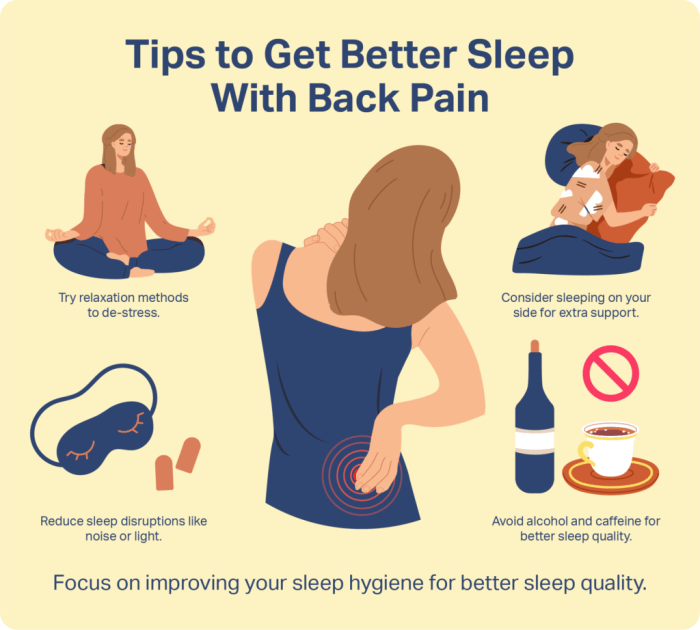
Getting a good night’s sleep can be challenging when you’re dealing with back pain. Here are some tips to help you find relief and improve your sleep quality.
Finding the Right Sleeping Position
- Try sleeping on your side with a pillow between your knees to help align your spine.
- If you prefer sleeping on your back, place a pillow under your knees for added support.
- Avoid sleeping on your stomach as it can strain your back and neck.
Choosing the Best Mattress and Pillows
Investing in the right mattress and pillows can make a significant difference in managing back pain while sleeping.
- Look for a medium-firm mattress that provides adequate support and comfort for your back.
- Consider using a contoured pillow to support the natural curve of your neck and spine.
- Pillows filled with memory foam or latex can help relieve pressure points and promote better sleep.
The Role of Proper Sleep Hygiene
Practicing good sleep hygiene is essential for managing back pain and improving overall sleep quality.
- Establish a regular sleep schedule and stick to it, even on weekends.
- Create a relaxing bedtime routine to unwind and prepare your body for sleep.
- Avoid caffeine, heavy meals, and electronics before bedtime to promote better sleep.
Lifestyle Changes
When it comes to managing back pain, making certain lifestyle changes can have a significant impact on your overall well-being. By incorporating regular exercise, maintaining good posture, and practicing stress management techniques, you can help alleviate back pain and improve your quality of sleep.
Benefits of Regular Exercise
Regular exercise plays a crucial role in strengthening the muscles that support your spine, which can help reduce back pain. It also helps improve flexibility and mobility, making it easier to move without experiencing discomfort.
- Engage in low-impact exercises like walking, swimming, or yoga to gently work your muscles without putting excessive strain on your back.
- Focus on exercises that target your core muscles, as a strong core can help provide better support for your spine.
- Consult with a physical therapist or fitness expert to develop a personalized exercise plan that suits your needs and limitations.
Maintaining Good Posture
Practicing good posture throughout the day is essential for preventing and reducing back pain. Poor posture can put unnecessary strain on your spine, leading to discomfort and stiffness.
- Sit and stand up straight, keeping your shoulders back and your head aligned with your spine.
- Use ergonomic furniture and accessories to support proper posture, such as a supportive chair with lumbar support.
- Take regular breaks to stretch and change positions if you have a desk job or spend long hours sitting.
Impact of Stress Management Techniques
Stress can exacerbate back pain and interfere with your ability to get a good night’s sleep. By incorporating stress management techniques into your daily routine, you can help reduce tension in your muscles and promote relaxation.
- Practice mindfulness meditation or deep breathing exercises to calm your mind and body, reducing overall stress levels.
- Engage in regular physical activity, which can help release endorphins and improve your mood, reducing stress and tension.
- Consider seeking support from a therapist or counselor to address underlying emotional factors contributing to stress and pain.
Alternative Therapies
When it comes to managing back pain, alternative therapies can offer effective solutions that complement traditional treatment methods. These therapies focus on holistic approaches to improve overall well-being and alleviate pain, promoting better sleep in the process.
Acupuncture
Acupuncture is a traditional Chinese medicine technique that involves inserting thin needles into specific points on the body to help relieve pain and promote healing. By targeting key pressure points related to back pain, acupuncture can help reduce inflammation, relax muscles, and improve blood flow, leading to pain relief and better sleep.
Chiropractic Care
Chiropractic care focuses on spinal adjustments and manipulation to address misalignments in the spine that may be causing back pain. By realigning the spine, chiropractors can help reduce pressure on nerves, alleviate pain, and improve overall spinal health, leading to better quality of sleep and reduced discomfort.
Heat and Cold Therapy
Heat and cold therapy are simple yet effective methods for relieving back pain and promoting better sleep. Applying heat to the affected area can help relax muscles, increase blood flow, and reduce stiffness, while cold therapy can help numb the area, reduce inflammation, and alleviate pain. Alternating between heat and cold treatments can provide relief and improve sleep quality.
Massage Therapy
Massage therapy involves manipulating the soft tissues of the body to improve circulation, reduce muscle tension, and promote relaxation. For back pain, targeted massage techniques can help release tight muscles, improve flexibility, and alleviate discomfort, leading to better sleep quality and overall well-being.
Final Summary
Say goodbye to tossing and turning all night! With these strategies in mind, you’ll be able to conquer back pain and enjoy quality sleep like never before. Here’s to waking up feeling refreshed and ready to tackle the day ahead!
Key Questions Answered
Can back pain actually affect my sleep quality?
Yes, back pain can disrupt your sleep by making it difficult to find a comfortable position or stay asleep throughout the night.
How important is it to address back pain for overall health?
Addressing back pain is crucial for overall health as it can impact your daily activities and quality of life.
What role does proper sleep hygiene play in managing back pain?
Good sleep hygiene, such as maintaining a regular sleep schedule and creating a relaxing bedtime routine, can help alleviate back pain.
Are there alternative therapies like acupuncture that can help with back pain?
Alternative therapies like acupuncture or chiropractic care can be beneficial in relieving back pain and improving sleep quality.


